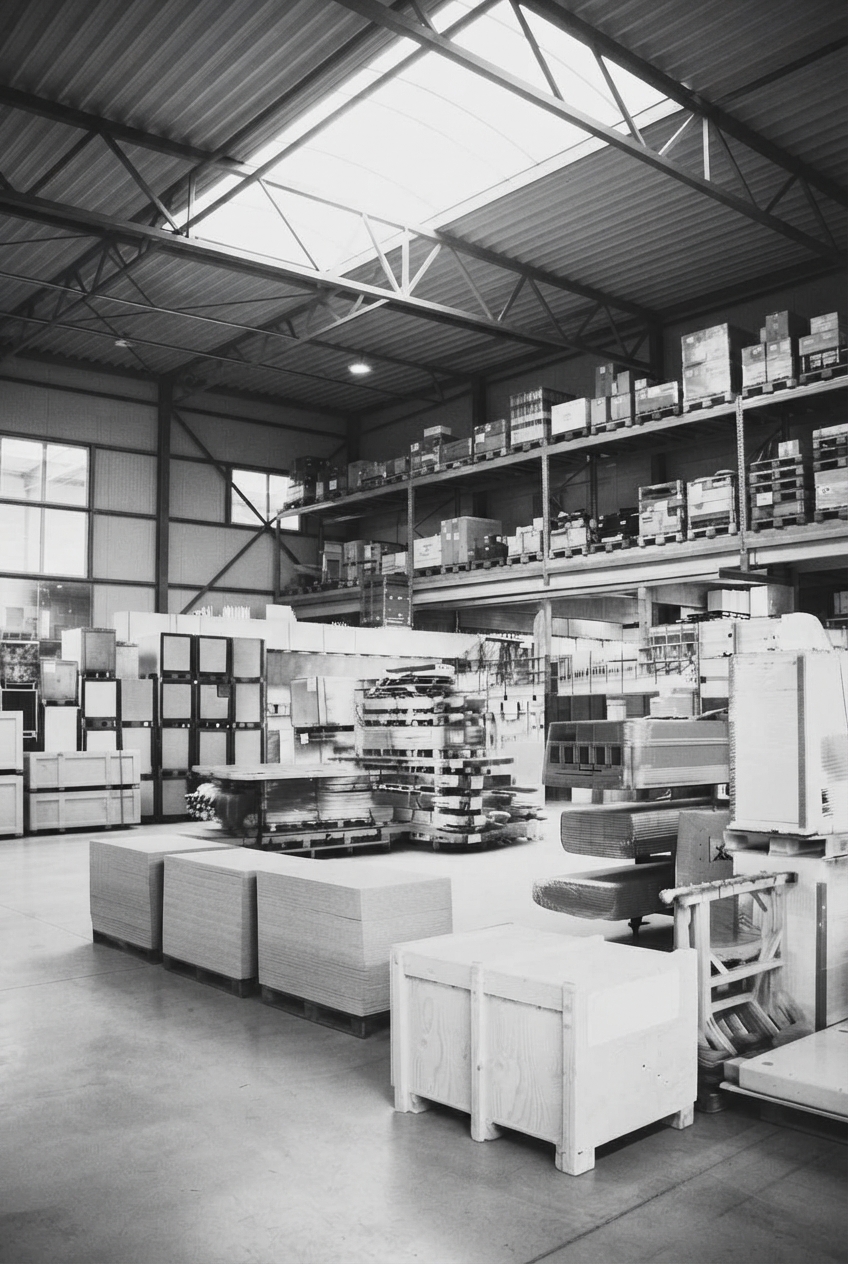
Event Logistics Europe
Event Logistics Europe
Your event. European logistics behind it.
Great events depend on more than what happens on stage or in front of the audience.
Everything physical has to get to the right place, at the right time and in the right condition.
Production elements need to leave fabrication, reach the venue, arrive within the required delivery window and be available where they are needed for installation and on-site production.
For events across European markets, this can involve multiple locations, different delivery requirements and tight production schedules.
That is where Event Logistics Europe becomes an essential part of the production structure.
Roadshow Productions provides European event logistics support for agencies, producers, production companies and project teams.
Depending on the project, the logistics scope can include transportation, delivery coordination, production logistics, venue deliveries and the connection between fabrication, logistics and installation.
The exact scope is always defined around the requirements of the event.
Your Event. Your Schedule. Our Logistics Behind It.
Three Ways We Support Your Project
The Production Behind Your Project
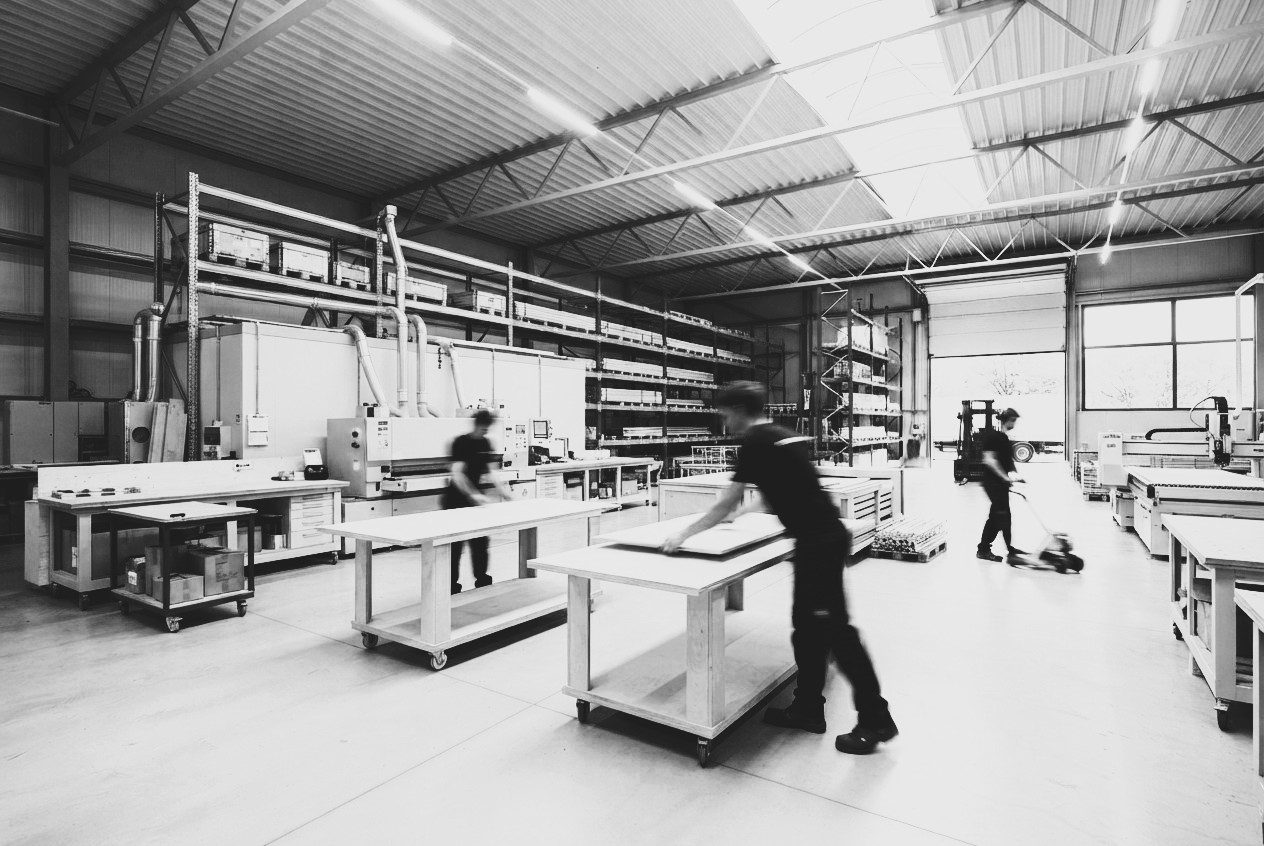
Your concept is approved. Your client is ready. Now it needs to become real. Roadshow Productions provides the production layer behind your project — turning approved concepts into physical, deliverable experiences. We take care of the production work required to move your project from creative approval through fabrication, logistics, installation and on-site execution.
We work as an extension of your existing team and adapt to your process, your timelines and your project structure. You remain focused on the client and the creative direction while we manage the production details behind the scenes.
- Production and fabrication coordination
- Logistics and transportation
- Installation and dismantling
- On-site production support
- Coordination of local production partners
- End-to-end production management
You bring the project. We handle the production.
More Projects. Same Core Team.
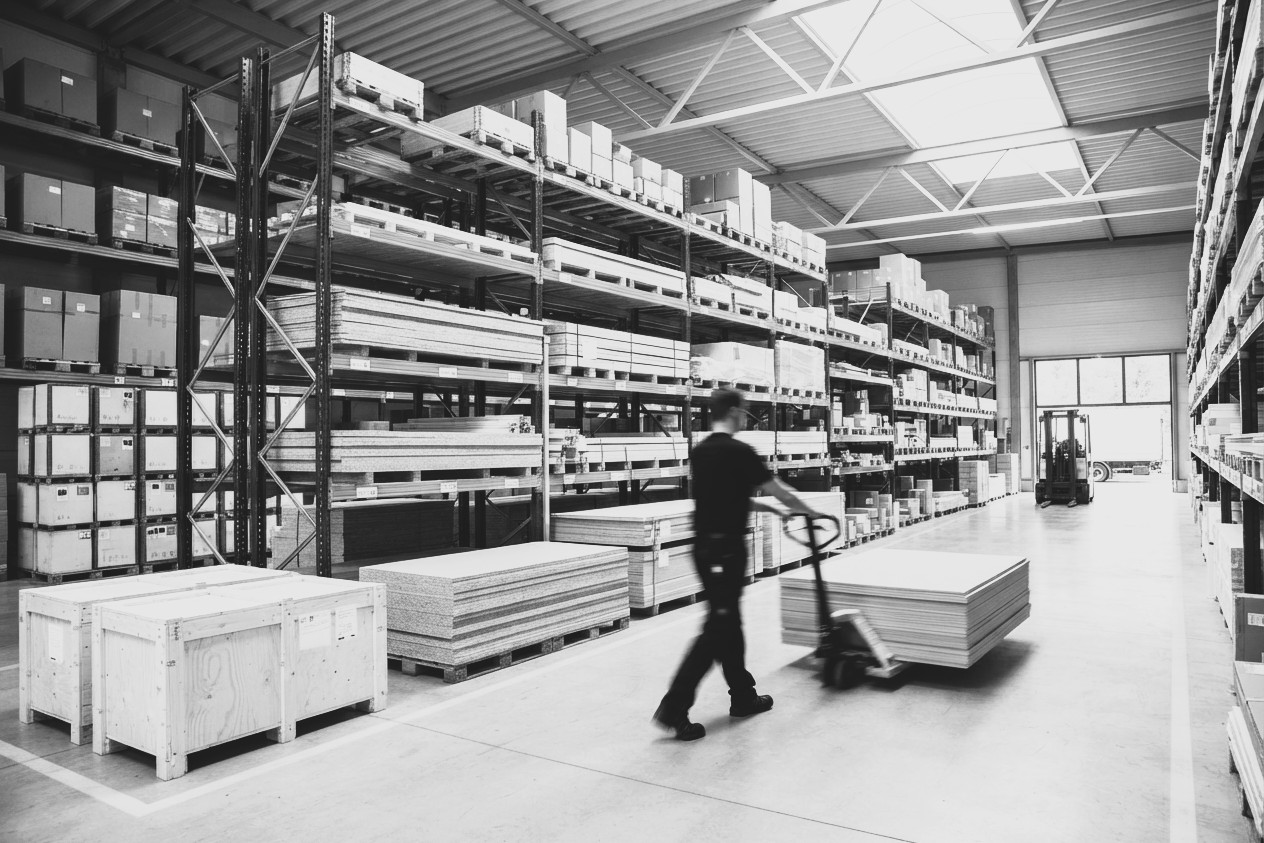
Your team is busy. Another project just came in. You do not necessarily need another permanent department — you need additional production support when the workload demands it. Roadshow Productions extends your team behind the scenes, helping you take on more projects without increasing your permanent overhead.
Whether you need support for one large project, several productions running at the same time or additional capacity during a busy period, we can plug into your existing organization. Your team remains in control of the client relationship while we provide the production support required to move the project forward.
- Additional production capacity when you need it
- Support for overlapping projects
- Production management and coordination
- Fabrication, logistics and installation support
- Flexible support without permanent overhead
- White-label collaboration under your structure
More capacity. Less overhead. Your client stays yours.
Your Agency. Our European Production.
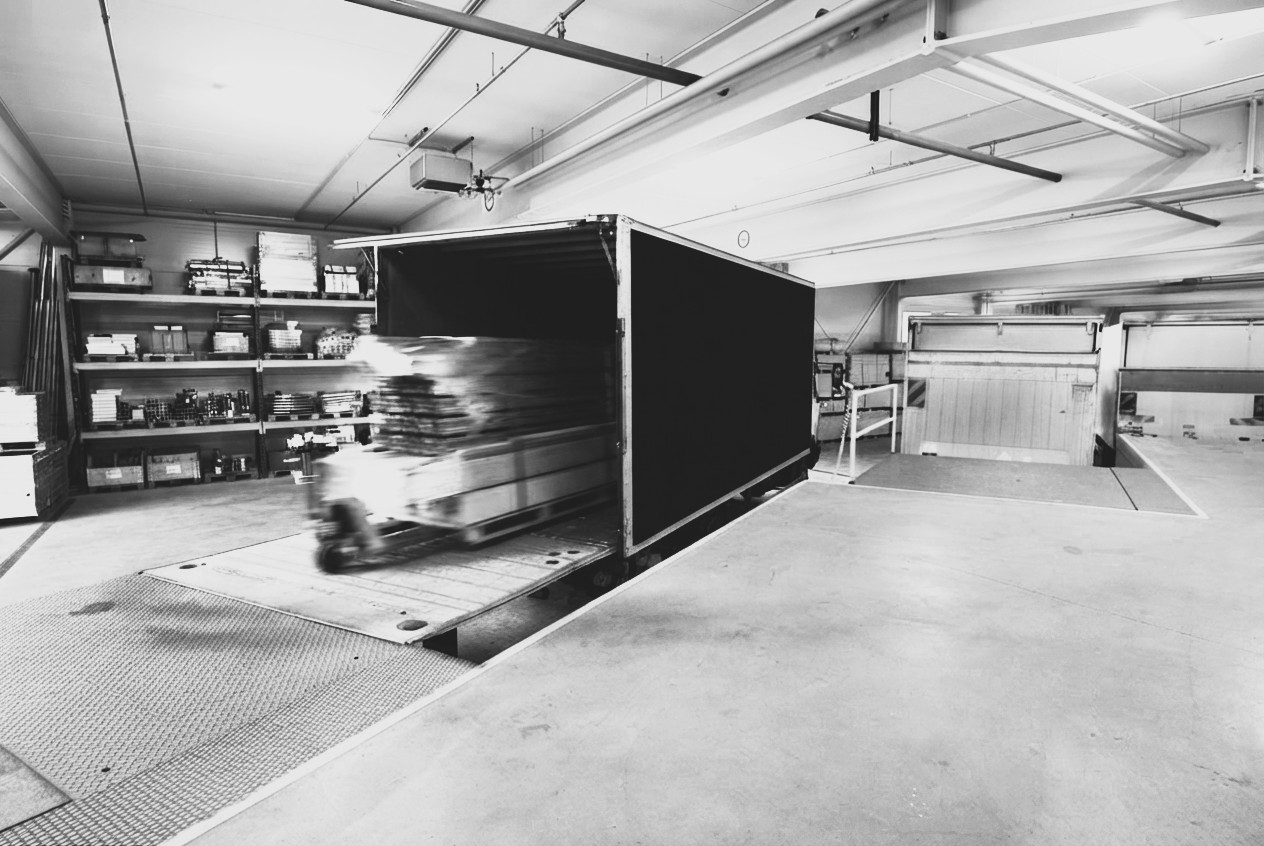
Your project may be international, but delivering it in Europe requires the right production, logistics and execution on the ground. Roadshow Productions provides the European production layer behind agencies, producers, exhibition companies and brand experience teams working across European markets.
From a single project to a multi-country rollout, we help coordinate the production required to deliver your project locally. We connect your brief with the right production, fabrication, logistics and installation resources while keeping your project structure and communication flow in place.
- European production and fabrication
- Local production coordination
- Transportation and logistics
- Installation and dismantling
- On-site execution across European markets
- Support for multi-country projects and rollouts
You own the relationship. We handle the execution.
What Is Event Logistics Europe?
Event Logistics Europe covers the planning and coordination of the physical movement and delivery of event-related production elements across European markets.
This can include transportation from production locations to event venues, delivery coordination, venue access, unloading requirements and the logistics connection between production and installation.
The exact requirements depend on the event.
A single-location event may require a relatively straightforward delivery structure.
A multi-country event program may require logistics planning across several markets and venues.
European Event Logistics Built Around Your Project
Every event has its own logistics requirements.
The venue, production scope, delivery schedule, number of locations and physical elements all influence the logistics structure.
That is why event logistics should be planned around the actual production rather than treated as a generic transportation task.
Roadshow Productions connects logistics with the physical requirements of your event where that forms part of the agreed scope.
The Logistics Layer Behind Your Event
Event logistics sits between production and physical execution.
Production creates the physical elements.
Logistics moves those elements to where they are needed.
Installation turns them into the finished event environment.
When these stages are properly connected, the physical production process becomes easier to coordinate.
Production Ready. Logistics Coordinated. Installation Ready.
Event Transportation Europe
Transportation is a central component of event logistics.
Event structures, branded elements, technical or production-related components and other physical materials need to move from their point of origin to the event location.
For European events, transportation can involve cross-border movements and different venue requirements.
The transportation structure therefore needs to reflect the production schedule and the physical requirements of the event.
Event Delivery Coordination Europe
Getting a shipment to the correct city is only one part of event logistics.
The delivery also needs to align with the venue and production schedule.
Delivery windows, access requirements, unloading arrangements and installation schedules can all influence the timing of the logistics process.
Delivery coordination connects these requirements into one practical schedule.
Event Logistics Planning Europe
Good event logistics starts before the first vehicle moves.
The production elements, locations, delivery windows and installation requirements need to be understood in advance.
For larger or multi-location events, this planning becomes even more important.
A clear logistics plan helps define what needs to move, where it needs to go, when it needs to arrive and which production stage follows the delivery.
European Logistics for Event Production
Event logistics is closely connected with event production.
Fabricated elements cannot be considered independently from their delivery requirements.
The physical production may need to be completed at a particular point in the schedule so that transportation can begin and the venue delivery can take place within the required window.
Connecting production and logistics creates a more coherent physical production process.
Event Logistics for Custom-Built Environments
Custom-built event environments can create specific logistics requirements.
Large structures, unusual components or custom-built elements may require particular handling and transportation considerations.
The logistics approach should therefore reflect the physical characteristics of the production.
Where fabrication and logistics are part of the agreed scope, both can be considered together.
Event Logistics for Branded Environments
Branded event environments often consist of multiple physical elements.
Walls, structures, displays, counters, branded components and other production elements may all need to reach the venue as part of the same project.
Logistics coordinates the movement of these elements around the event schedule.
Event Logistics for Experiential Projects
Experiential projects can involve custom installations, temporary environments and physical brand experiences.
These elements may need to be transported to one or several locations and installed according to a defined production schedule.
European event logistics can connect the physical production with the locations where the experience will be delivered.
Event Logistics for Brand Activations
Brand activations often operate within specific campaign windows.
The physical production therefore needs to arrive when and where the activation is scheduled to take place.
For campaigns with several locations, logistics becomes part of the overall activation structure.
Event Logistics for Product Launches
Product launches can require custom environments, presentation structures, displays and other physical production elements.
Those elements need to be delivered according to the launch schedule.
Event logistics connects the physical production with the venue and the planned installation window.
Event Logistics for Corporate Events
Corporate events can involve multiple physical production requirements, from branded environments to temporary structures and presentation areas.
Depending on the project, these elements may come from different production stages and need to arrive at the venue according to a coordinated schedule.
Event Logistics for Agencies
Agencies often manage the client relationship, creative direction and overall project structure while external partners handle specific physical production requirements.
European event logistics can provide the transportation and delivery coordination behind the agency’s event project.
The agency remains in control of the areas it owns while the agreed logistics scope is handled as part of the production structure.
Your Agency. Your Client. Our Logistics Behind It.
Event Logistics for Event Producers
Event producers frequently coordinate multiple suppliers, production stages and venue requirements.
Logistics becomes the physical connection between these individual parts.
An external logistics structure can support the producer by handling the agreed transportation and delivery requirements behind the event.
Event Logistics for Production Companies
Production companies may have their own logistics capabilities while still requiring additional support for selected projects.
This can be particularly relevant when several productions overlap or when an event requires logistics across multiple European markets.
European Event Logistics for Multi-Location Events
Multi-location events require logistics planning beyond a single venue.
Production elements may need to move between locations or be delivered to several venues according to different schedules.
Each location can have its own delivery window and access requirements.
A connected logistics structure helps coordinate these movements as part of the overall event program.
Multi-Country Event Logistics Europe
When an event program takes place across several European countries, logistics becomes a cross-border production requirement.
Physical production needs to move between markets while remaining aligned with event schedules and installation requirements.
This can require a connected approach to transportation and delivery coordination across the different locations.
One Event Program. Multiple European Deliveries. One Logistics Structure.
European Event Logistics Across Different Markets
European events can involve different venues, cities and markets.
The logistics structure therefore needs to be flexible enough to accommodate different delivery situations.
The objective is not simply to move physical production from one place to another.
It is to connect transportation with the production schedule and physical execution of the event.
Event Logistics and Installation
Logistics and installation are directly connected.
Production elements need to arrive before installation can begin.
The delivery schedule therefore needs to reflect the installation window at the venue.
Where logistics and installation form part of the same agreed scope, both stages can be coordinated around the event schedule.
Event Logistics and Fabrication
Fabrication determines when physical production becomes ready for transportation.
Logistics then connects that production with the event location.
For custom event environments, this relationship can be particularly important because the physical components may have specific handling and transportation requirements.
Event Logistics and Dismantling
Logistics does not necessarily end when the event begins.
After the event, physical elements may need to leave the venue and move to another location.
Reusable components may need to be transported for storage or a subsequent event.
Where dismantling and subsequent transportation are part of the project scope, these stages can be coordinated within the overall logistics structure.
Event Logistics for Touring Programs
Touring event programs require physical production to move from one location to the next.
The logistics structure becomes part of the campaign itself.
After one event, production elements may need to be prepared for transportation and delivered to the next location according to the following schedule.
This requires logistics planning that considers the complete sequence of locations.
Event Logistics During Production Peaks
Event calendars can create periods with significantly increased logistics demand.
Several projects may overlap.
Multiple deliveries may need to be coordinated within a short period.
Internal logistics resources can quickly become fully committed.
An external logistics structure can provide additional capacity around these production peaks.
Handle the Logistics Peak Without Building for the Peak.
European Event Logistics Without Permanent Expansion
Not every agency or production company needs to maintain maximum logistics capacity throughout the year.
Event demand can fluctuate according to campaign schedules, seasonal production peaks and client requirements.
External logistics support allows capacity to follow actual project demand without requiring permanent expansion around peak periods.
More Events. Additional Logistics Capacity When You Need It.
Additional logistics capacity can be valuable when internal resources are fully committed.
It can also be useful when an event requires transportation across markets that are outside the normal operating structure of the organization.
The objective is to supplement the existing organization where required.
White-Label Event Logistics Europe
For agencies and producers, logistics can remain behind the visible client structure.
Roadshow Productions works white-label by default.
Your brand remains your brand.
Your client relationship remains within your agreed structure.
Your team continues to lead the areas it owns.
We provide the agreed logistics capability behind the event.
Client contact is always agreed with you.
Your Client. Your Brand. Our Logistics Behind the Scenes.
We Don’t Compete for Your Client. We Handle the Logistics Behind Your Event.
The role of an external logistics partner should be clear.
You lead the client relationship.
You lead the project structure you are responsible for.
We handle the agreed transportation and logistics requirements behind it.
This creates a practical logistics layer without adding another unnecessary agency layer between your team and your client.
A Flexible Event Logistics Model
Different events require different logistics scopes.
Depending on the project, Roadshow Productions can support:
- European event logistics
- Event transportation
- Event delivery coordination
- Production logistics
- Venue delivery coordination
- Transportation of fabricated event elements
- Logistics for branded environments
- Logistics for temporary event structures
- Logistics for experiential projects
- Logistics for brand activations
- Logistics for product launches
- Multi-location event logistics
- Multi-country event logistics
- Touring event logistics
- Logistics planning
- Logistics coordination
- Logistics connected with fabrication
- Logistics connected with installation
- Logistics connected with dismantling
- Additional logistics capacity
Not every event requires every capability. The exact logistics scope is defined around the physical requirements and schedule of the project.
How Event Logistics Europe Works
The process begins with understanding the event and its physical production requirements.
We review what needs to move, where it needs to go, when it needs to arrive and which production stages need to connect with the delivery.
- Project Brief — Event concept, locations, physical production and schedule.
- Logistics Review — Review of transportation and delivery requirements.
- Scope Definition — Clear definition of logistics responsibilities.
- Logistics Planning — Planning of transportation, deliveries and relevant production interfaces.
- Production Coordination — Alignment with fabrication and preparation where included.
- Transportation — Movement of the agreed physical production.
- Delivery Coordination — Coordination around venue requirements and delivery windows.
- Installation Handover — Physical production becomes available for installation where included.
- On-Site Support — Additional logistics support where required.
- Post-Event Logistics — Transportation after the event where included.
The exact process depends on the event and the scope agreed with Roadshow Productions.
Clear Responsibilities. Clear Event Logistics.
A successful event logistics project requires clear responsibilities.
Your team needs to know what it owns.
The logistics partner needs to know what needs to be transported, where it needs to go and when it needs to arrive.
If fabrication, installation, dismantling or on-site production are included, those interfaces should also be clearly defined.
This keeps the physical production structure practical and coordinated.
When Does Event Logistics Europe Make Sense?
Event Logistics Europe can make sense when physical event production needs to be transported and coordinated across European markets.
- You need European transportation for an event project.
- You require coordinated venue deliveries.
- You are moving custom-built event elements.
- You are delivering a multi-location event program.
- You are running events across several European countries.
- You are managing a touring event program.
- Your internal logistics resources are fully committed.
- You need additional logistics capacity during production peaks.
- You need logistics connected with fabrication.
- You need logistics connected with installation.
- You require post-event transportation.
- You need a logistics structure behind an agency or production company.
- You do not want to build permanent logistics capacity for peak demand.
Event Logistics That Scales With Your Program
Event logistics requirements can change significantly from one project to the next.
One event may require a single delivery.
Another may require several coordinated deliveries.
A touring campaign may require continuous transportation between multiple locations.
A European event program may involve several markets and different venue schedules.
The logistics structure should therefore follow the requirements of the actual program.
Scale the Logistics. Not Necessarily the Organization.
One European Logistics Structure. Multiple Event Requirements.
One event may require transportation from production to venue.
Another may require logistics between several European locations.
A recurring program may require transportation designed around repeated use of physical production.
The logistics structure should remain flexible enough to support these different requirements.
The Logistics Partner Behind Your Event Team
Roadshow Productions provides the logistics layer behind agencies, event producers and production companies delivering physical event projects.
You bring the project.
You lead the client relationship.
You control the project responsibilities you own.
We handle the agreed logistics requirements behind the event.
Where required, logistics can connect with fabrication, installation, on-site production and dismantling.
The Team Behind Your Team.
European Event Logistics Without Building a European Logistics Organization
European event programs do not necessarily require an agency or production company to build permanent logistics infrastructure in every market.
External logistics support can provide transportation and delivery capability around the actual requirements of the event program.
This can be particularly useful when project demand varies between markets or when several events overlap.
Your Event. European Logistics Behind It.
If you are planning an event, experiential project, brand activation, product launch or multi-location event program in Europe, tell us what needs to be moved and where it needs to go.
Share your locations, physical production requirements, delivery windows and schedule.
Roadshow Productions will review the logistics requirements and define the appropriate scope around your project.
Let’s Coordinate Your Event Logistics.
Whether you need a single European delivery, logistics for a multi-location event or additional capacity for a larger production program, the logistics structure can be built around your actual requirements.
Your Event. Your Client. Our Logistics Behind It.
Your Production. European Logistics. Local Delivery.
Event Transportation. Delivery Coordination. Production Logistics.
Multi-Location Event Logistics Across Europe.
White-Label Logistics Behind Your Brand.
More Events. Additional Logistics Capacity When You Need It.
One European Logistics Structure. Multiple Event Locations.
The Logistics Layer Behind Your Event.
Your Project. Europe-Wide Logistics.
Let’s Talk About Your Event Logistics.
We are the Team Behind Your Team
Roadshow Productions was built for the people behind the project — agencies, producers, exhibition companies and brand teams that need production capacity without building everything in-house.
We provide the production layer behind the scenes, connecting creative with fabrication, logistics, installation and on-site execution across Europe.
Think of us as an extension of your team — flexible when you need additional capacity, experienced when the project gets complex, and white-label by default.
You lead. We deliver.